Staying Healthy All School Year: A Teacher’s Guide to Avoiding Colds and Boosting Immunity Naturally
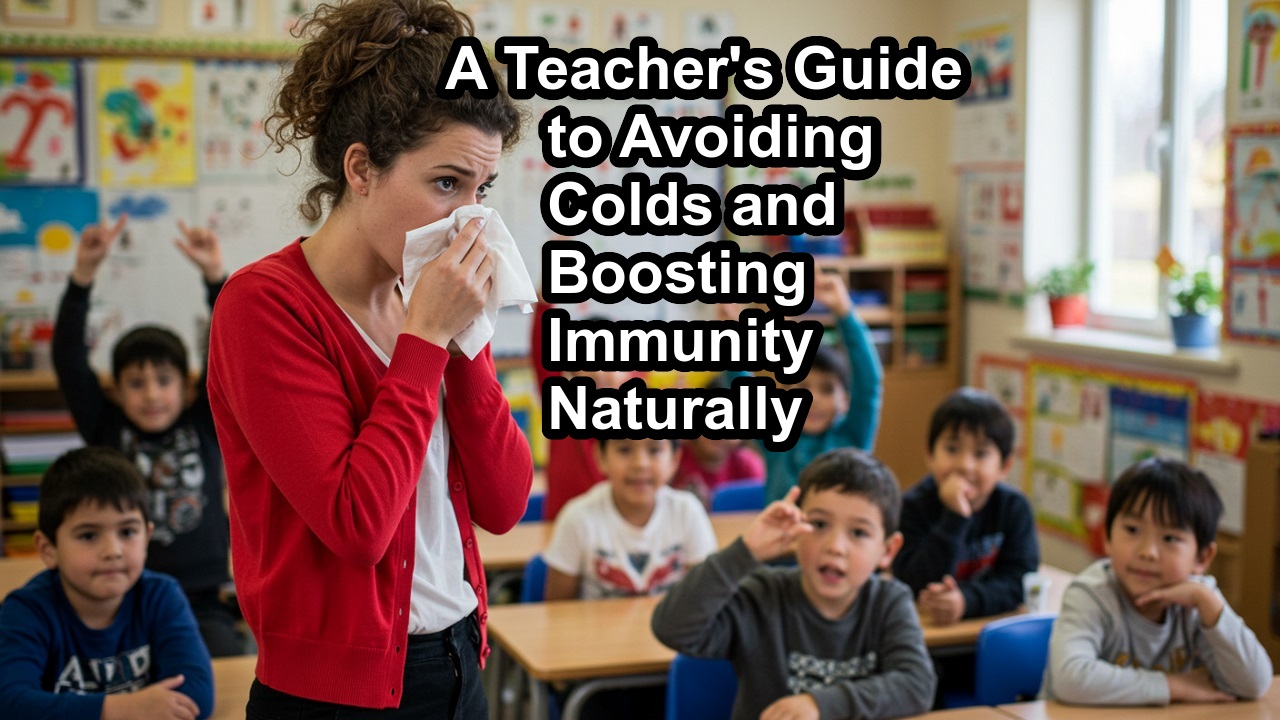
Staying Healthy All School Year: A Teacher’s Guide to Avoiding Colds and Boosting Immunity Naturally
Teaching is one of the most rewarding—but physically demanding—jobs out there. With constant exposure to germs from students, shared materials, and crowded classrooms, it’s no wonder many educators find themselves catching colds or dealing with fatigue throughout the school year. But the good news is that there are natural, practical ways to stay well. Here’s how you can keep your immune system strong and avoid getting sick—without disrupting your busy school day.
Build Immunity Before the School Year Starts
Prevention is key. Strengthening your immune system early—before students return—gives your body a better chance at fighting off common viruses.
Natural Supplements to Start:
-
Vitamin C: A powerful antioxidant that boosts immune function.
-
Easy Option: Powdered vitamin C mixed into water or juice before class.
-
-
Zinc: Helps fight infection and reduces the duration of colds.
-
Easy Option: Zinc lozenges or gummies kept in your desk drawer.
-
-
Elderberry: Rich in antioxidants and shown to reduce cold symptoms.
-
Easy Option: Elderberry syrup in the morning or elderberry gummies.
-
Daily Immune Support for Teachers
Your classroom is your second home, and your immune defense should be just as constant as your lesson planning. Add these habits to your daily routine:
Natural Immune-Boosting Supplements:
-
Probiotics: Support gut health, which is closely linked to immune function.
-
Easy Option: Single-serve probiotic drinks like kefir, or shelf-stable capsules taken with lunch.
-
-
Vitamin D: Deficiency is common and linked to increased susceptibility to illness.
-
Easy Option: Vitamin D3 drops in your morning tea or a small softgel at lunch.
-
-
Echinacea: Often used at the first sign of illness to reduce severity.
-
Easy Option: Herbal tea with echinacea, sipped during your planning period.
-
Healthy Habits to Pair with Supplements
Supplements are most effective when paired with healthy, consistent habits:
-
Stay Hydrated: Keep a large water bottle at your desk and sip throughout the day.
-
Sleep: Aim for 7–9 hours per night—your immune system repairs itself while you sleep.
-
Hand Hygiene: Wash hands regularly and avoid touching your face, especially during cold and flu season.
-
Ventilate: Open windows or use an air purifier to improve air quality in your classroom.
-
Snack Smart: Choose immune-boosting snacks like oranges, yogurt, almonds, or pumpkin seeds.
Quick On-the-Go Options for the Busy Teacher
You may not have time for elaborate routines, so here are a few “grab-and-go” natural helpers:
-
Immune-Boosting Tea Bags: Carry a few in your bag and steep during breaks.
-
Single-Serve Supplement Packs: Look for travel packs of Emergen-C, elderberry, or adaptogen blends.
-
Diffuser Jewelry or Roll-On Oils: Essential oils like eucalyptus or tea tree can help keep airways open and provide antimicrobial benefits.
Stress Less—Your Immune System Depends on It
Chronic stress weakens the immune system. Teaching can be stressful, so managing that stress is part of staying healthy.
-
Mindful Breathing: Just 3–5 minutes between classes can reset your nervous system.
-
Adaptogens: Natural herbs like ashwagandha or rhodiola help the body adapt to stress.
-
Easy Option: Capsules or powder in your morning smoothie or coffee.
-
-
Laughter & Social Connection: Find moments of joy in your day—it truly helps your health.
Final Thoughts
You may not be able to avoid every germ in your classroom, but you can equip your body to fight them off more effectively. With a few simple, natural additions to your daily routine, you’ll be more resilient and energized to give your best to your students—all year long.
More: A Simple Health and Fitness Plan for Teachers
More: How Teachers Should Spend Summer Break
More: Avoiding the Stress of Teaching
More: Three Unique Ways to Lower the Stress of Teaching


